Early Harvest Extra Virgin Olive Oil
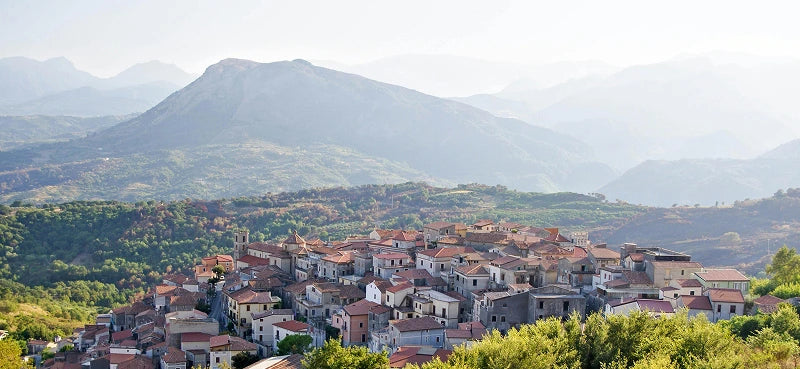
from a family-owned, single-sourced olive farm in Calabria, Southern Italy
You've probably heard that "Extra Virgin Olive Oil" is how one would describe olive oil of a particularly good quality. And his is absolutely correct - providing the olive oil has actually been produced according to the standards that must be met for a producer to describe their olive oil as "Extra Virgin".
For any olive oil to be labelled "Extra Virgin Olive Oil", the official requirements by EU law are quite simple:
- Must be obtained solely by mechanical means (no solvents and no chemical refining).
- Must be pure olive oil and not blended with any other oils or substances.
- The olive oil must not have a higher free acidity level greater than 0.8%.
- Must meet strict peroxide value limits. Peroxides are the first chemicals that form in olive oil when it starts to go bad. A high score indicates the oil has been exposed to too much light, heat or air and has started going rancid – which will affect its taste and it indicates that the nutrients have started breaking down.
- Must pass UV absorption tests. This is a test where UV light is seen through the oil and the measured values will tell you if the Extra Virgin Olive Oil is indeed "Extra Virgin" or compromised. How the oil absorbs this light will tell you whether the oil is fresh, oxidized (going bad) or even mixed with other products.
- Zero Sensory Defects and a Detectable Fruitiness. This is not just a machine-based process. This test is done by a person trained in what to look for in high quality olive oil as well as how to detect defects and alterations from standard procedure.
- Must be produced under acceptable storage and handling temperatures.
- Purity tests must meet IOC/EU profile ranges (fatty acids, sterols, waxes, alkyl esters, etc.)
- Must be correctly labelled (origin, category, production method, etc.)
- Bottling and storage must safeguard product integrity (light/heat/air protection required by general EU food-safety law)
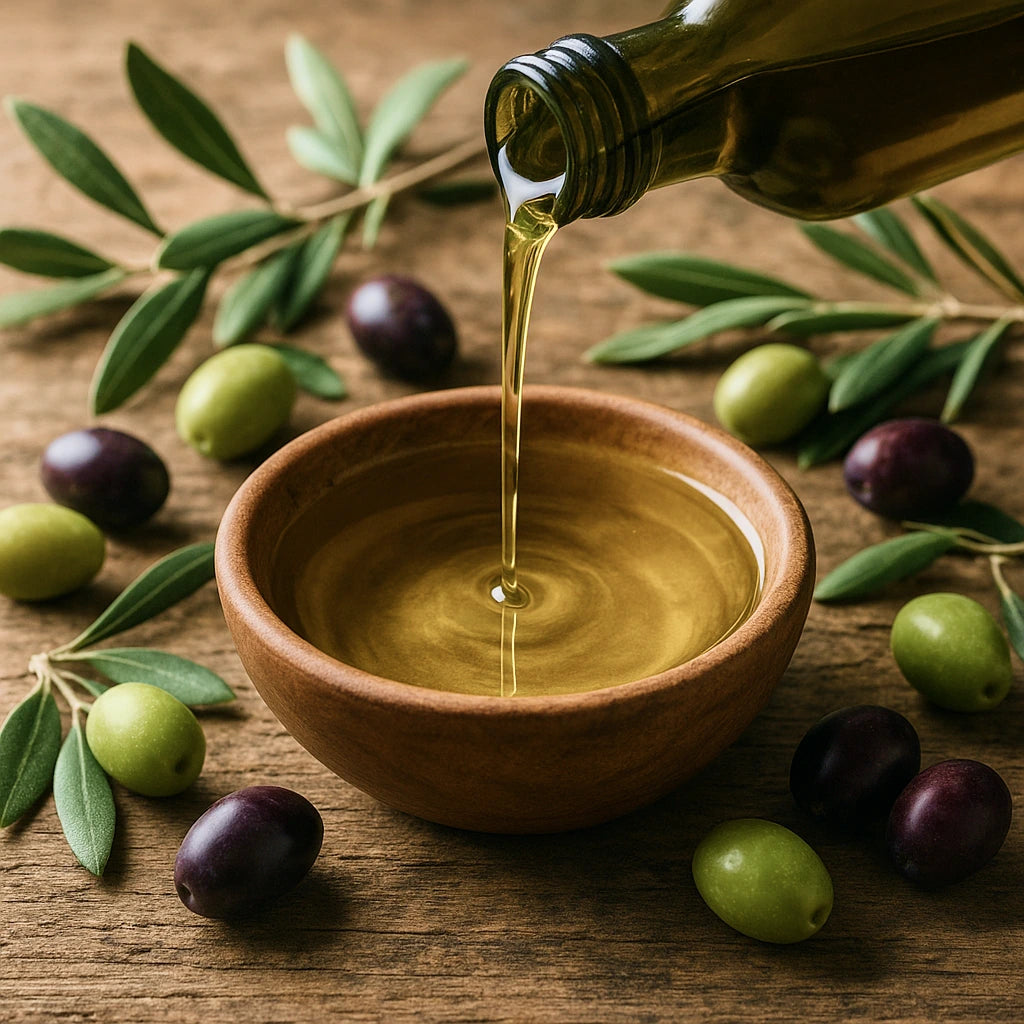
Early Harvest & Superior Quality Extra Virgin Olive Oil
As a matter of fact, there are many ways to improve quality of Extra Virgin Olive Oil without violating any of the legal requirements above. Therefore, it may not always be a surprise that not all Extra Virgin Olive Oils are equal. The differences in how you treat the olives during harvest, extraction and storage can affect the end result enormously.
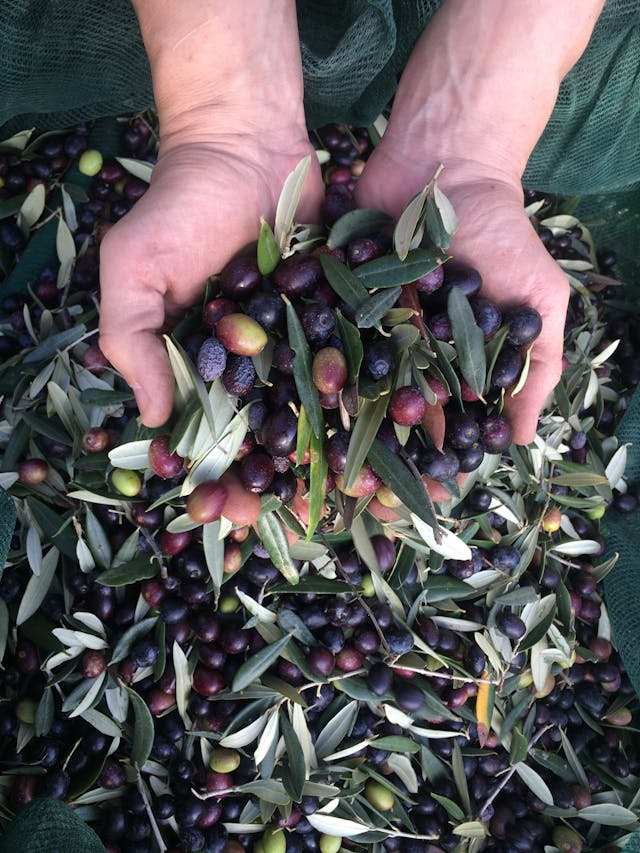
One such example that makes a huge impact on quality is making sure the olives are pressed within hours of harvest — ideally the same day. Just like any fruit, once it is picked from the tree, the decay and fermentation process begins. Due to the olives getting softer during decay, one can in fact get a higher oil yield. And though it is not a legal requirement, this 24-hour rule can be broken in order to increase profits on the yield while still being able to label the olive oil as Extra Virgin.
Another process to mark superior quality olive oil is becoming more increasingly known as an Early Harvest Extra Virgin Olive Oil.
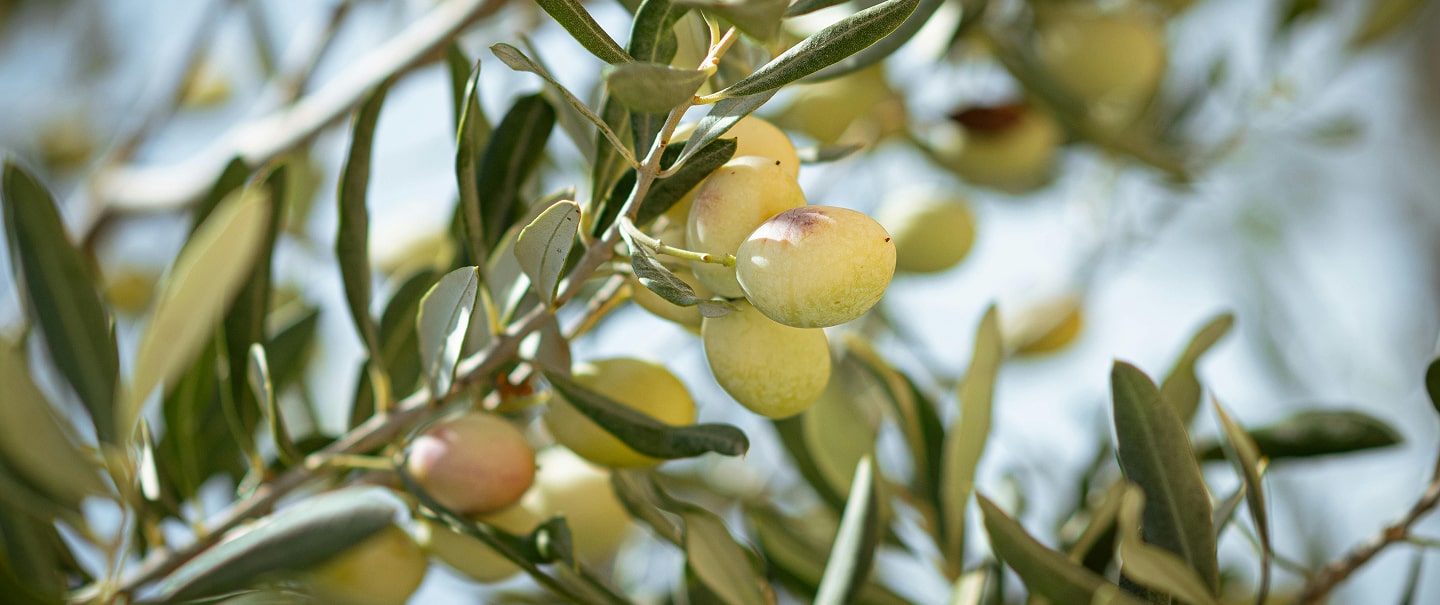
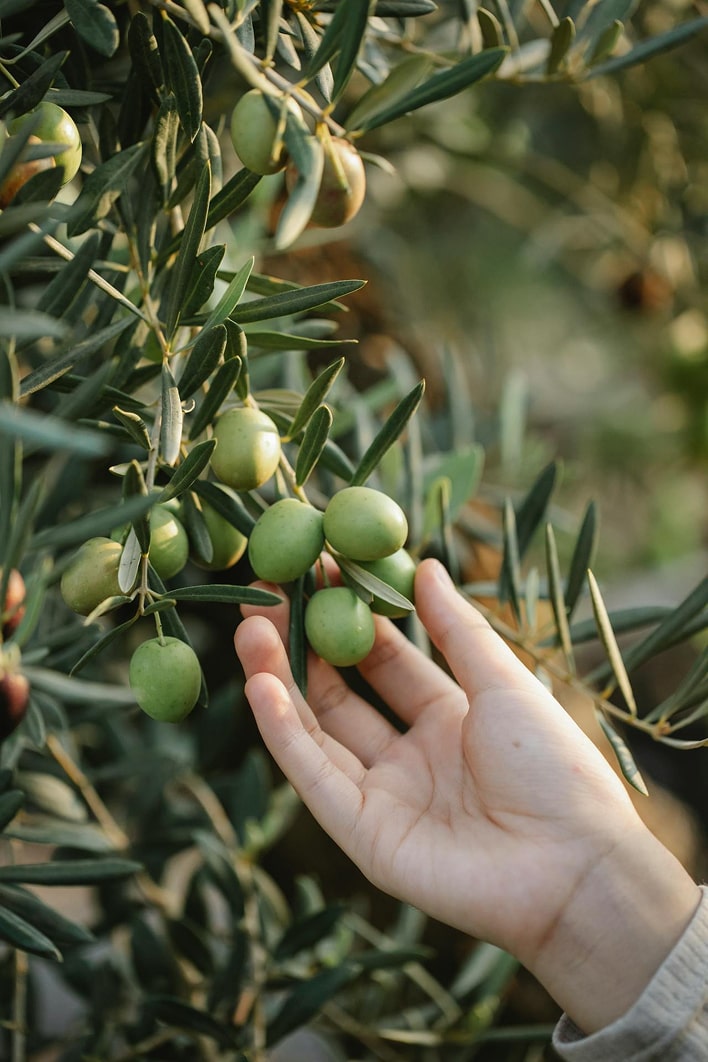
Early Harvest Extra Virgin Olive Oil is pressed from olives that have been harvested earlier in the season – typically when the olives are still green. The result is a more robust flavour and a light greenish colour compared to the milder and sweeter flavour one finds in later harvests. The olive oil will be greener in colour compared to regular Extra Virgin Olive Oil.
Early Harvest has higher nutritional value and a more intense flavour compared to a later harvest.
This is because the content of polyphenols and antioxidants is higher when the olives are harvested earlier while still green. The amount of oil that can be extracted is smaller, but the benefits are far greater.
If you have tasted an olive oil at a restaurant in Italy and noticed that it tasted better than the olive oil you have bought here in Denmark, then it is probably not without reason.
The olive oil industry is a very lucrative industry. And like any field where there is a lot of money on the line, there is unfortunately a higher chance of dilution and outright fraud.
Though European law sets the standard and requirements on Extra Virgin Olive Oil, it is still up to the individual countries within Europe to enforce these laws. On some labels, it may say in the fine print that the olive oil within may consist of mixed olive oils from several entirely different countries. Right there you can immediately see that the labelled "Extra Virgin" olive oil might be of questionable quality.
You can search the internet and easily find plenty of information, videos and articles covering the various forms of routine fraud with regards to olive oil and the industry.
However, brushing all of that aside, you can very easily taste the difference between real high-quality Extra Virgin Olive Oil and what you buy in the Danish grocery stores that passes for Extra Virgin Olive Oil.
At Italia Standard Scandinavia, we love the atmosphere and taste that comes with getting a piece of good bread, dipped in real Italian, Early Harvest Extra Virgin Olive Oil. We have strived to offer our products at the most advantageous price possible. No middlemen. Just directly from the farm in the south of Italy, to you.
The terracotta bottle is 100% hand-made in an Italian pottery workshop in the neighboring region of Puglia, Italy. Everything we love from Italy in a bottle – for you. High quality, aesthetically beautiful, good taste both in design and for the palate, all to create a good atmosphere.

A Key Ingredient
Enhance the flavor of your favorite dishes with a drizzle of this premium extra virgin olive oil – perfect for your salads, pastas, grilled vegetables, seafoods and much more.

Healthy Lifestyle
Packed with healthy fats and polyphenols - powerful antioxidants.

The Perfect Finishing Touch
Perfect for dipping with some fresh bread, over salads, on sandwiches or even adding to soups.